
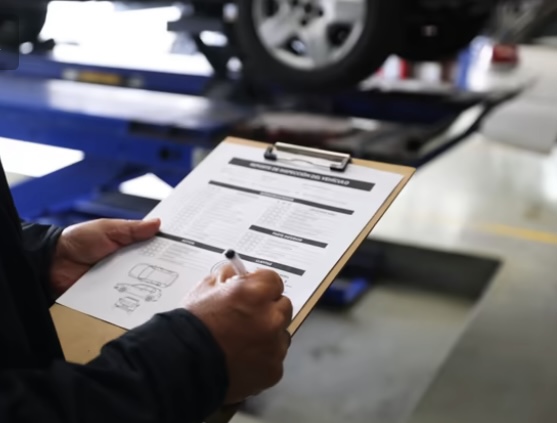
The MOT test, short for Ministry of Transport test, is a mandatory vehicle inspection in the UK designed to ensure that vehicles on the road meet legal safety and environmental standards. Whether you’re a car owner or an MOT professional, understanding the importance, process, and benefits of MOT services is essential for road safety and vehicle longevity.
What is an MOT Test?
The MOT test is an annual inspection for cars, motorcycles, vans, and other qualifying vehicles over three years old. During the test, variety of safety-critical components are checked, including:
- Brakes and braking systems
- Lights, indicators, and reflectors
- Steering and suspension systems
- Tyres and wheels
- Emission levels
- Vehicle structure and bodywork
Passing an MOT ensures that your vehicle is legally eligible to be driven on UK roads and confirms it meets key safety standards.

The Importance of Regular MOT Testing
Vehicle Safety: The primary aim of the MOT test is to protect drivers, passengers, and pedestrians by identifying faulty or worn-out components before they cause accidents.
Legal Requirement: Driving without a valid MOT certificate can lead to fines, penalty points, or insurance invalidation.
Early Fault Detection: MOT inspections often uncover potential issues before they become costly repairs, helping drivers save money and avoid breakdowns.
Environmental Responsibility: The test includes an emissions check, making your vehicle compliant with environmental regulations and helping reduce pollution.
Vehicle Value Preservation: A vehicle with a documented history of regular MOT checks retains higher resale value.
Challenges and Trends in MOT Services
The MOT industry faces evolving challenges, such as:
Fraud Prevention: “Ghost MOTs,” where certificates are issued for vehicles that haven’t been inspected, pose safety risks. Authorities are increasingly using digital records and vehicle imaging to curb fraudulent practices.
Technician Training: MOT testers are required to complete mandatory training to remain up to date with regulations, particularly with the rise of hybrid and electric vehicles.
Digital Transformation: Many garages are moving to digital systems for recording tests, training logs, and certificates, improving efficiency and reducing paperwork.
Emerging Vehicle Technologies: The growth of electric and low-emission vehicles requires testers to update skills to handle high-voltage systems and new emission standards.
Tips for MOT Test Success
For vehicle owners:
- Ensure brakes, lights, tyres, and windscreen wipers are in good condition.
- Keep your vehicle clean enough to spot corrosion or bodywork damage.
- Check lights, indicators, and horn functionality.
- For MOT garages and testers:
- Stay current with DVSA updates and training.
- Invest in high-quality testing equipment and ensure proper calibration.
- Maintain digital records for improved audit trails and compliance.
Looking Forward: The Future of MOT Services
With the increasing complexity of modern vehicles, MOT services continue to evolve. Governments and industry stakeholders are considering updates to inspection processes, integrating digital technologies, and expanding the scope to cover emerging vehicle technologies. For motorists, this means greater convenience, more accurate testing, and continued assurance that vehicles are roadworthy and environmentally compliant.
Conclusion
MOT services form the backbone of road safety in the UK, providing a systematic way to ensure vehicles are in proper working order. For car owners, staying on top of your MOT not only meets legal obligations but also protects your safety, finances, and environment. For us MOT professionals, keeping skills and equipment updated ensures quality service and maintains the integrity of the MOT system.
Invest in regular MOT testing—it’s an investment in your safety, your vehicle, and the broader community.